Quick Comparison: Seedance2 vs Kling 3.0
| Feature | Seedance2 | Kling 3.0 |
|---|---|---|
| Developer | ByteDance | Kuaishou |
| Release | 2026 | 2026 |
| Resolution | Up to 2K | Up to 1080p |
| Duration | 5-12 seconds | 3-15 seconds |
| Aspect Ratios | 16:9, 9:16, 4:3, 3:4, 21:9, 1:1 | 16:9, 9:16, 1:1 |
| Core Strength | Native audio + multi-shot storytelling | General cinematic video + start-end frame |
| Audio | Native audio-visual generation (dialogue, SFX, music) | Native audio generation |
| Architecture | Dual Branch Diffusion Transformer | Diffusion Transformer + 3D VAE |
| Input Types | Text, Image (×9), Video (×3), Audio (×3) | Text, Image |
| Status on FreyaVideo | Coming Soon | Available Now |
What Is Seedance2?
Seedance2 (also written as Seedance 2.0) is ByteDance's next-generation AI video
model built on the Dual Branch Diffusion Transformer architecture. The defining breakthrough of Seedance2 is that it generates video
and audio simultaneously in a single forward pass — producing synchronized dialogue, sound effects, and background music natively, not
through post-processing.
Unlike earlier video generators that output silent video and require separate audio tools, Seedance2 treats audio-visual content as a
unified output. The Seedance 2.0 model also introduces multi-shot storytelling, generating multiple connected scenes from a single
prompt while maintaining consistent characters, visual style, and atmosphere across all transitions.
Seedance2 Key Features
- Native audio generation — Seedance2 produces dialogue with phoneme-level lip-sync in 8+ languages (English, Mandarin, Japanese,
Korean, Spanish, and more), ambient sound effects, and background music — all generated alongside the video in one pass. - Multi-shot storytelling — Describe a sequence of scenes and Seedance2 creates coherent multi-shot video with seamless
transitions, maintaining character identity and visual continuity throughout. - Multimodal input — Upload up to 9 images, 3 videos, and 3 audio files as reference. Use @mention syntax (@Image1, @Video1,
@Audio1) to control how each reference influences the generation. - 2K cinema-grade resolution — Outputs up to 2K resolution with exceptional physics simulation, fluid motion, and diverse artistic
styles from photorealistic to anime.
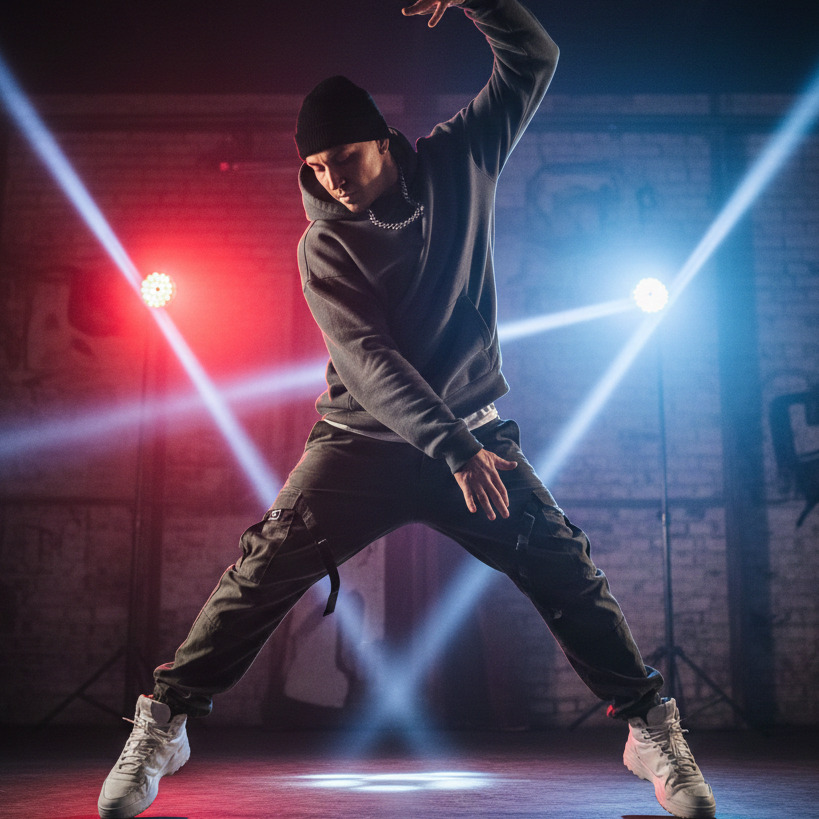
Here is a Seedance2 demo — a tension-filled modern dance duet in an abandoned theater with 360-degree camera work:
What Is Kling 3.0?
Kling 3.0 is Kuaishou's flagship AI video generator supporting both text-to-video and
image-to-video modes. It uses a Diffusion Transformer paired with a 3D Variational Autoencoder (3D VAE) that models spatial and
temporal dimensions simultaneously, producing videos with strong visual coherence and natural physics.
Kling 3.0 is designed to handle virtually any video generation scenario — from nature landscapes to product demos, character close-ups
to aerial shots. Its unique start-end frame interpolation feature (I2V mode) lets you upload both a starting and ending image for
precise control over video transitions.
Kling 3.0 Key Features
- Cinematic versatility — Handles an extremely wide range of subjects, styles, and camera movements with consistent quality.
- Native audio generation — Produces synchronized audio (environmental sounds, dialogue, ambient noise) alongside the video.
- Start-end frame control — Upload start and end frame images for smooth interpolated transitions between two specific states (I2V
mode). - Flexible 3-15s duration — 13 granular duration options from 3 to 15 seconds, covering everything from quick social clips to
detailed showcases. - Available now — Production-ready on FreyaVideo today.
Here is a Kling 3.0 demo showcasing its cinematic quality:
Video Quality: Seedance2 vs Kling 3.0
Seedance2 Strengths
Seedance2's standout advantage is native audio-visual generation. Every video comes with synchronized dialogue, sound effects, and
music produced in the same forward pass as the visuals. A rainstorm scene doesn't just look like rain — you hear the drops, the
distant thunder, the splash on pavement. A character speaking on screen has lip-sync matched to their dialogue at the phoneme level,
in any of 8+ supported languages.
The multi-shot storytelling capability sets Seedance2 apart from single-clip generators. Describe a three-scene sequence — an
establishing wide shot, a mid-shot conversation, and a close-up reaction — and Seedance2 generates all three with consistent
characters, lighting, and atmosphere. This eliminates the tedious process of generating each shot independently and hoping they match.
At 2K resolution, Seedance2 also delivers noticeably sharper output than 1080p-limited models, with greater detail in textures, skin,
and environmental elements.
Kling 3.0 Strengths
Kling 3.0 produces consistently cinematic output across diverse prompts. Lighting feels natural, color grading is professional, and
depth of field is handled with nuance. Camera movements — dolly shots, tracking shots, slow pans — look smooth and intentional.
The start-end frame interpolation is a feature unique to Kling 3.0 among top-tier models. Upload two images and Kling 3.0 creates a
smooth video transition between them — perfect for product transformations, before-after reveals, or controlled scene transitions.
With 13 duration options from 3 to 15 seconds, Kling 3.0 also offers the widest range of length control, letting you precisely match
platform requirements. And its native audio generation adds significant production value without a separate audio step.

The Verdict
Seedance2 wins on audio sophistication (phoneme-level lip-sync, multi-language dialogue), resolution (2K vs 1080p), and multi-shot
storytelling. Kling 3.0 wins on availability (live now), duration flexibility (3-15s vs 5-12s), and start-end frame control. Both
generate native audio, but Seedance2's audio generation is more advanced with full dialogue synthesis. Neither model is universally
better — they excel in different scenarios.
Technical Architecture
Seedance2 Architecture
Seedance2 uses ByteDance's proprietary Dual Branch Diffusion Transformer — an architecture that processes video and audio in
parallel branches within a single model. The visual branch generates 2K video frames while the audio branch simultaneously produces
synchronized dialogue, sound effects, and music. Both branches share a common latent space, ensuring that audio events align precisely
with visual content.
The Seedance 2.0 model supports multimodal conditioning: text prompts provide narrative direction, reference images (up to 9) provide
style and character guidance, reference videos (up to 3) provide motion guidance, and reference audio (up to 3) provides voice or
music characteristics. The @mention syntax lets creators assign specific roles to each reference file.
Kling 3.0 Architecture
Kling 3.0 uses a Diffusion Transformer paired with a 3D VAE that jointly encodes spatial (visual) and temporal (motion)
information. This unified representation allows the model to reason about scene dynamics holistically rather than frame-by-frame,
resulting in strong temporal consistency and natural physics behavior.
Kling 3.0's start-end frame interpolation system works by encoding both frames into the latent space and generating intermediate
states that follow physically plausible motion paths.
Key Difference
Seedance2's architecture is optimized to generate video and audio as a unified output with multi-shot narrative coherence. Kling
3.0's architecture is optimized for visual scene evolution with precise frame-to-frame control. Seedance2 accepts richer input
(text + images + video + audio), while Kling 3.0 offers tighter control over the start and end states of a clip.
Use Cases: Seedance2 vs Kling 3.0
Choose Seedance2 for
- Marketing videos and ads that need voiceover, dialogue, or branded audio
- Multi-shot narrative content — short films, story sequences, episodic social content
- Videos requiring lip-synced dialogue in multiple languages
- Music videos and audio-driven visual content
- Any project where you want video and audio delivered together without post-production
Choose Kling 3.0 for
- Product demos and showcase videos with controlled transitions
- Social media content requiring specific durations (3-15s flexibility)
- Before-after transformations using start-end frame interpolation
- Quick-turnaround video content with cinematic quality
- Projects where you need the model available today, not "coming soon"
Use Both Together
The most powerful workflow combines both models. A brand campaign might use Seedance2 for the hero video with dialogue and multi-shot
storytelling, then Kling 3.0 for product close-ups with start-end frame transitions. A content creator might use Seedance2 for
narrative scenes with native audio and Kling 3.0 for atmospheric B-roll with flexible durations.
On FreyaVideo, one account gives you access to all models, so switching between them is seamless.
You can also explore other models including Veo 3.1, Sora2, and Wan 2.6 to find the best fit for
each shot in your project.
Pricing: Seedance2 vs Kling 3.0 Cost
FreyaVideo Credit System
Both models are available through FreyaVideo's unified credit system. You purchase credits once and
spend them on any model — no separate subscriptions, no per-model pricing tiers.
Cost Efficiency Tips
- Use Seedance2 when you need native audio with lip-sync — it eliminates separate audio production costs entirely.
- Use Kling 3.0 for general-purpose video where its start-end frame control and duration flexibility provide more creative options per
credit. - Start with shorter durations to test prompts before committing to longer generations.
- Take advantage of Seedance2's multi-shot capability to generate multiple scenes in one generation instead of running separate
prompts for each shot.
Speed and Ease of Use
Generation Speed
Seedance2 generates 2K video with native audio in under 60 seconds — impressive given that it produces both video and audio in a
single pass. Kling 3.0 takes 60-120 seconds for 1080p output with audio. Despite processing higher resolution and more complex audio,
Seedance2 is competitive on speed thanks to its optimized Dual Branch architecture.
Ease of Use
Both models accept text prompts as primary input on FreyaVideo. The key difference is input flexibility: Seedance2 also accepts
images, videos, and audio files as reference materials with @mention syntax, which adds creative power but also a learning curve.
Kling 3.0 offers a unique start-end frame workflow (I2V mode) that is straightforward — upload two images, describe the transition,
generate.
For beginners, Kling 3.0 is available now and delivers great results with simple text
prompts. Seedance2 rewards more advanced workflows — uploading reference files,
writing multi-shot prompts, and specifying audio characteristics unlocks its full potential.
Ready to start? Try text-to-video generation or image-to-video generation on FreyaVideo now.
FAQ
Is Seedance2 better than Kling 3.0?
Neither is universally better. Seedance2 is superior for projects needing native audio with lip-synced dialogue, multi-shot
storytelling, and 2K resolution. Kling 3.0 is superior for quick cinematic clips with start-end frame control and flexible 3-15s
durations. Choose based on your specific use case.
What is Seedance2's native audio generation?
Seedance2 generates video and audio simultaneously using its Dual Branch Diffusion Transformer. The audio includes phoneme-level
lip-synced dialogue in 8+ languages, environmental sound effects, and background music — all produced in a single pass, not added in
post-production.
Does Kling 3.0 also generate audio?
Yes. Kling 3.0 generates native audio synchronized with video content. However, Seedance2's audio generation is more advanced,
supporting full dialogue synthesis with multi-language lip-sync, while Kling 3.0 focuses on environmental audio and ambient
soundtracks.
Which model has better resolution?
Seedance2 supports up to 2K cinema-grade resolution. Kling 3.0 supports up to 1080p Full HD. For projects where visual sharpness and
detail matter, Seedance2 has the edge.
What is Kling 3.0's start-end frame feature?
In image-to-video (I2V) mode, you can upload both a starting image and an ending image. Kling 3.0 creates a smooth video interpolation
between the two frames, giving you precise control over how the video begins and ends. This is unique to Kling 3.0.
When will Seedance2 be available on FreyaVideo?
Seedance2 is currently in Coming Soon status. We are actively integrating the Seedance 2.0 API and will announce availability
immediately. Visit the Seedance2 page for the latest updates.
Can I use both models in one project?
Yes. FreyaVideo's credit system lets you switch between any model within the same account. Use Seedance2 for narrative scenes with
dialogue and Kling 3.0 for product shots with start-end frame transitions — all in the same project.
What other AI video models are available on FreyaVideo?
FreyaVideo supports multiple models including Veo 3.1, Sora2, Wan 2.6, and more. Visit the creation page to explore all available models.
Conclusion
Seedance2 and Kling 3.0 represent two different philosophies in AI video generation. Seedance2 is a unified audio-visual creator —
generating 2K video with native dialogue, sound effects, and music in a single pass, with multi-shot storytelling that maintains
character consistency across scenes. Kling 3.0 is a versatile cinematic engine — production-ready today with start-end frame
control, flexible 3-15s durations, and consistent quality across any prompt.
The best strategy is not to pick one, but to use both where they shine. Start creating with Kling 3.0 today, and keep an eye on Seedance2 — we'll announce the moment it goes live on FreyaVideo.